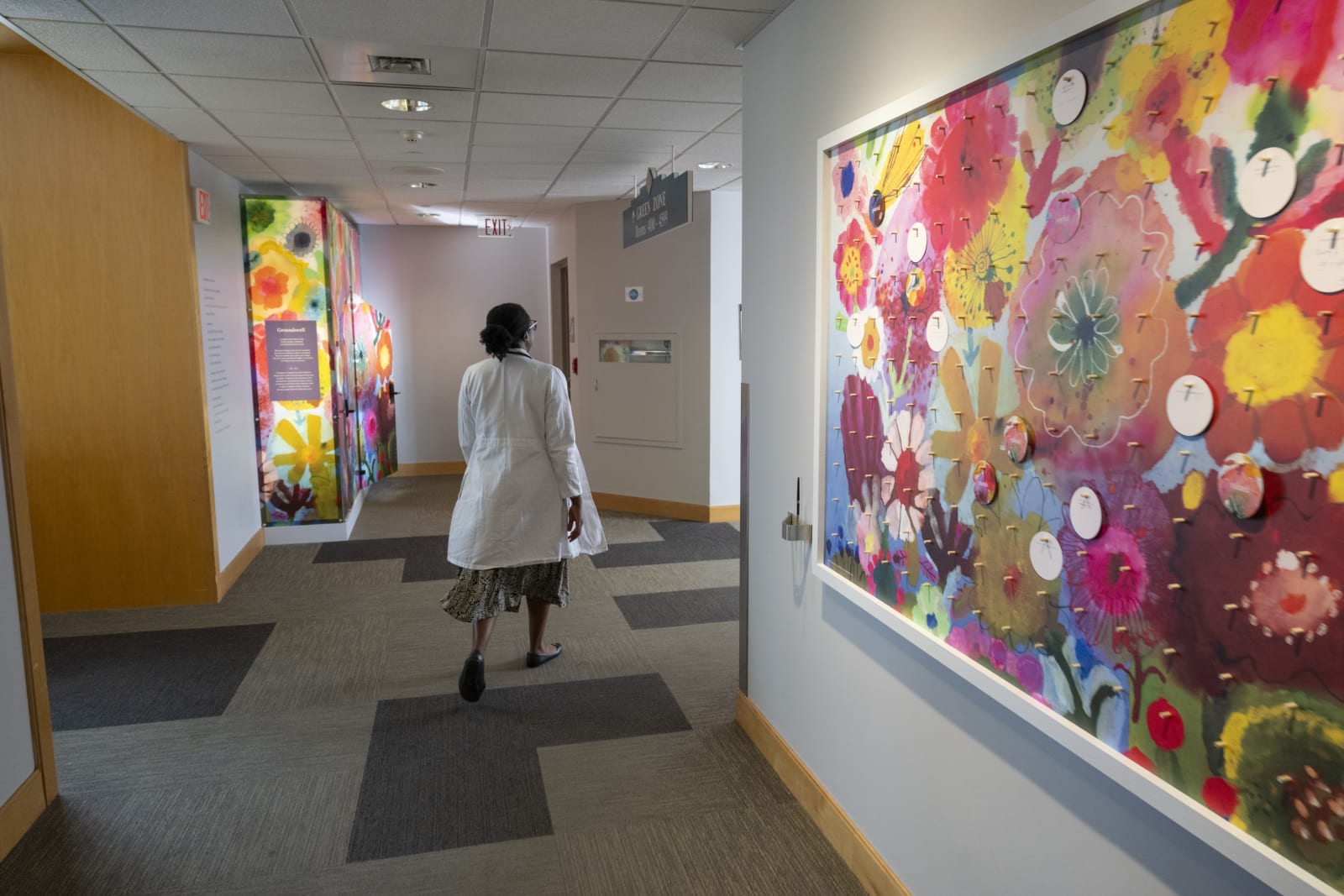
An ecosystem of restoration, connection, and collective meaning-making co-designed with oncology staff at UPMC Magee-Womens Cancer Services.
The medical system is held together by the invisible labor of healthcare professionals and caregivers.
“A special person can do this work forever,a good person can do it for a little while,most people couldn’t do it for a day.”
Previous UPMC Magee employee
This project was co-created with and for those who give everything they have to others.
Co-written for the project
Remember Your Heart
Read by Catherine Liggett
Remember your heart.
Remember how it has expandedbeyond its borders,how it has learned to hold both joyand sorrow without breaking.
Remember the days you thoughtit could not bear another loss,and yet it did.It does.It will.
Remember the grief that lives in your body.Not as wisdom, but as a companion.Not as weakness, but as testamentto your immense capacityto care beyond reason,to love beyond caution.
Remember the times you stoodat the edge between someone’sdarkest hour and their dawn,your presence a bridge they could cross.Your voice, the only anchor in a storm.
Remember that for every ending you have witnessed,your steady hands have created a thousand beginnings.
For every tear you have shed in break rooms,empty hallways, and behind steering wheelsyou have planted seeds of compassionthat grow beyond hospital walls.
Remember that beneath the fluorescent lightsand sanitized surfaces, a current flowsbetween you and your colleagues —an understanding deeper than words,a silent recognition of shared purposeborn in the gentle persistence of showing up.
Remember that you belong to each other.
Remember that your work is sacred.
Remember that through every shift and every challenge,your heart remains the truest instrument of healing.
Remember that you honor every lifethat has passed through your hands.In the space between one patient and the next,there is a moment that belongs only to you.
Claim it. Hold it. It is sacred ground.
We come together like water through soil,a groundswell of quiet strength gathering force.
For what you carry, we all carry.
The Vision
Groundswell is a grant-funded ecosystem of emotional support for healthcare workers, developed with the Gynecologic Oncology staff at UPMC Magee-Womens Hospital.
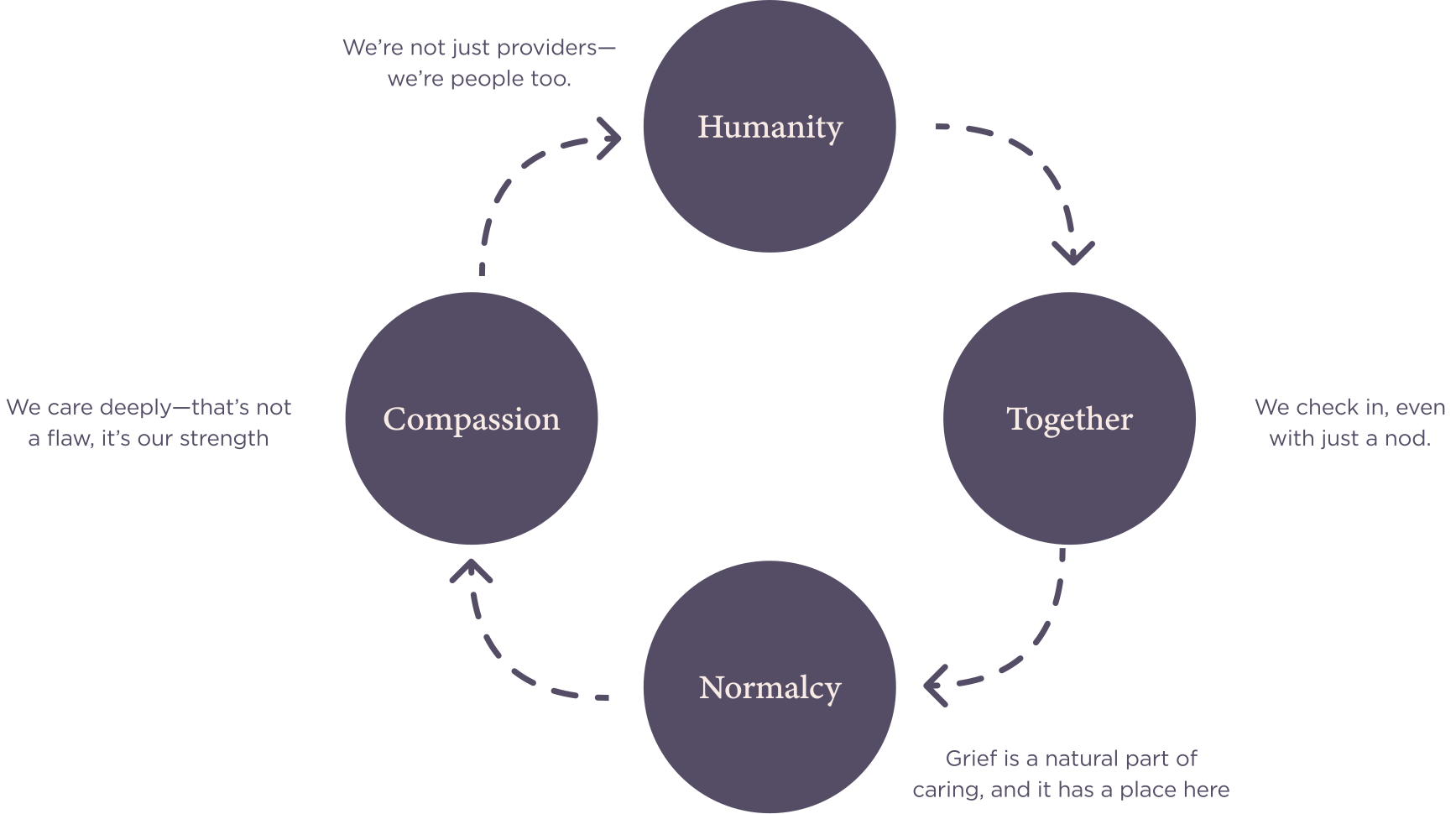
Through communication, creativity, and connection, Groundswell fosters a culture where the emotional complexities of oncology care are acknowledged, isolation transforms into belonging, and self-care is honored as essential to delivering excellent patient care.
“Groundswell reminds us that caring for patients begins with caring for the people who serve them. By creating intentional spaces and practices that acknowledge the emotional realities of oncology care, we’re laying the foundation for a culture where staff well-being is recognized as essential.”— Samantha Williams, Director of Women’s Cancer Services, UPMC
The Ecosystem
Named for water that rises naturally from deep within the earth, Groundswell emerges directly from the efforts and voices of healthcare workers themselves.
The ecosystem comprises four interconnected components—each addressing a different dimension of workplace well-being, designed to meet staff wherever they are in their day. Together, they create the conditions for culture change to emerge from within the care community.
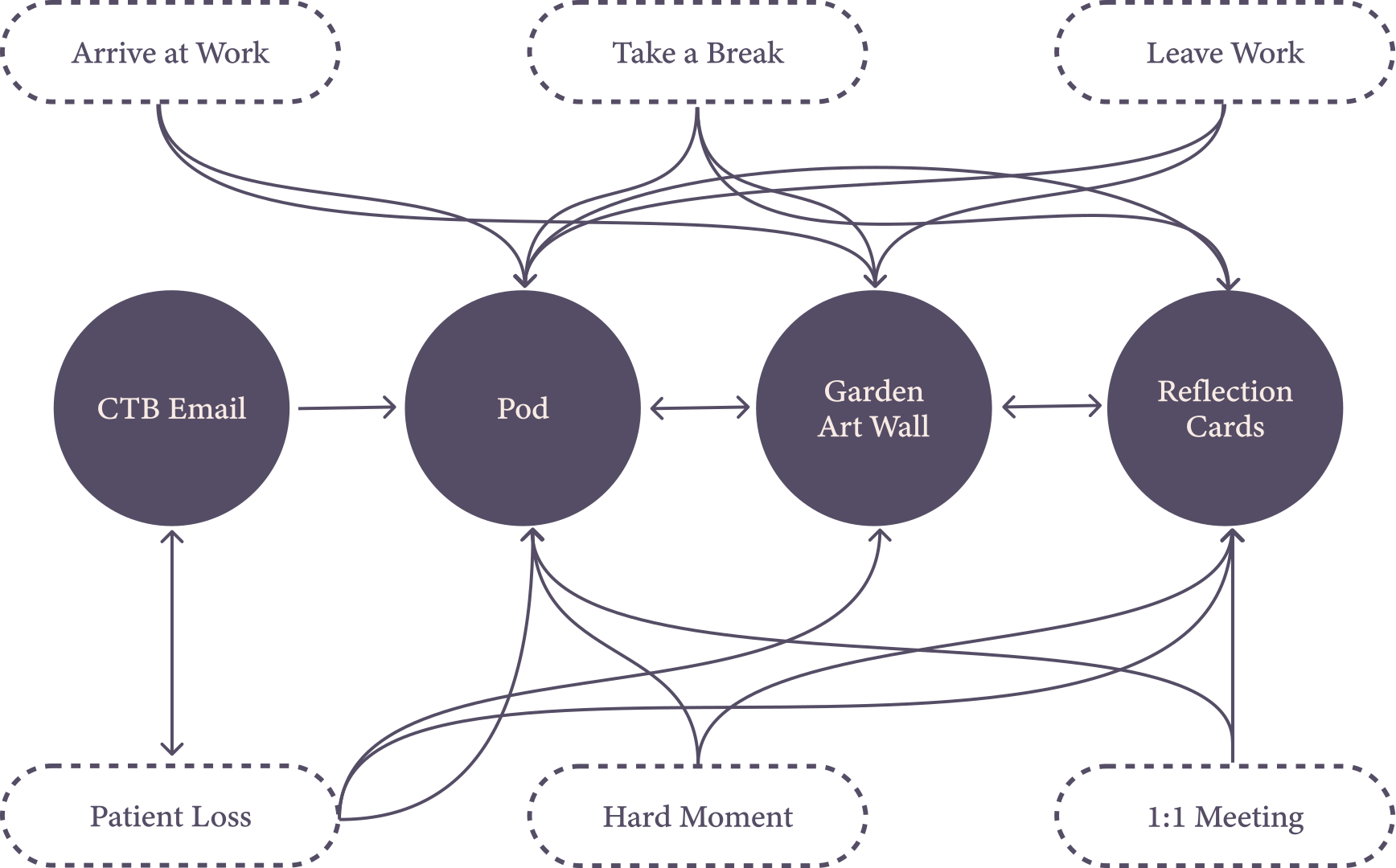
Component 01
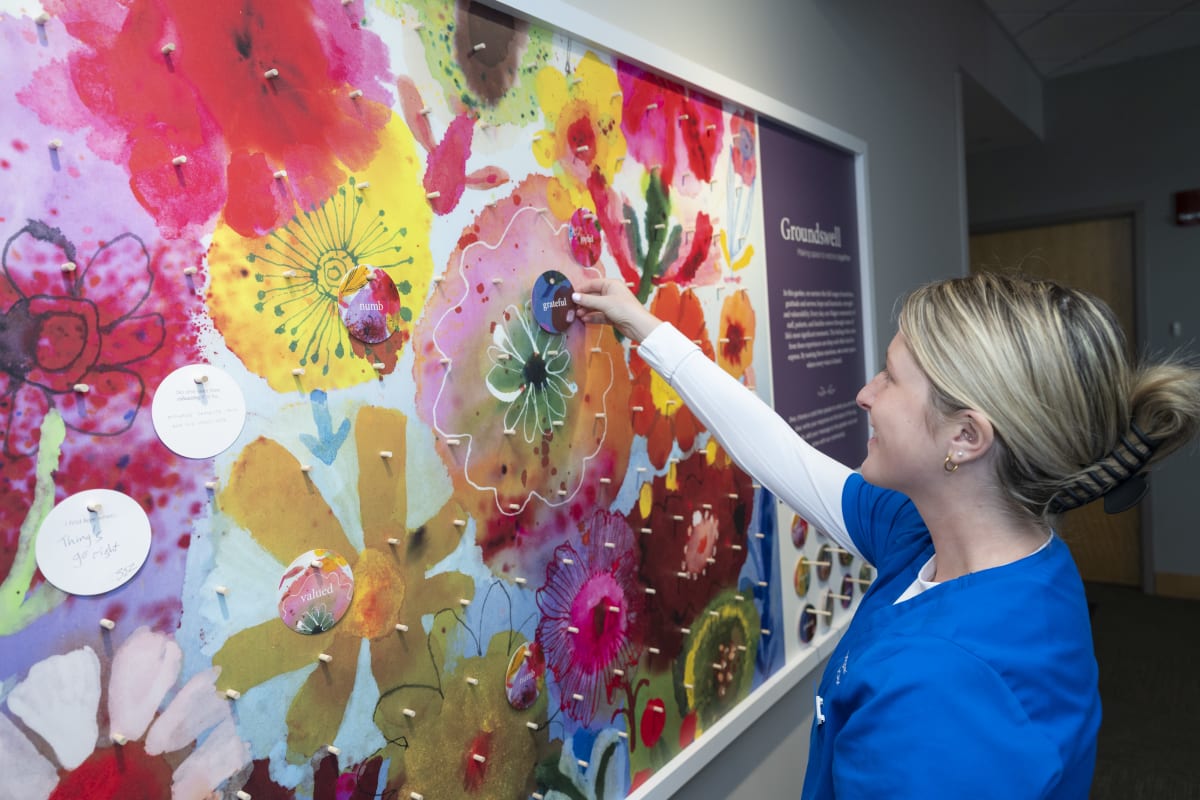
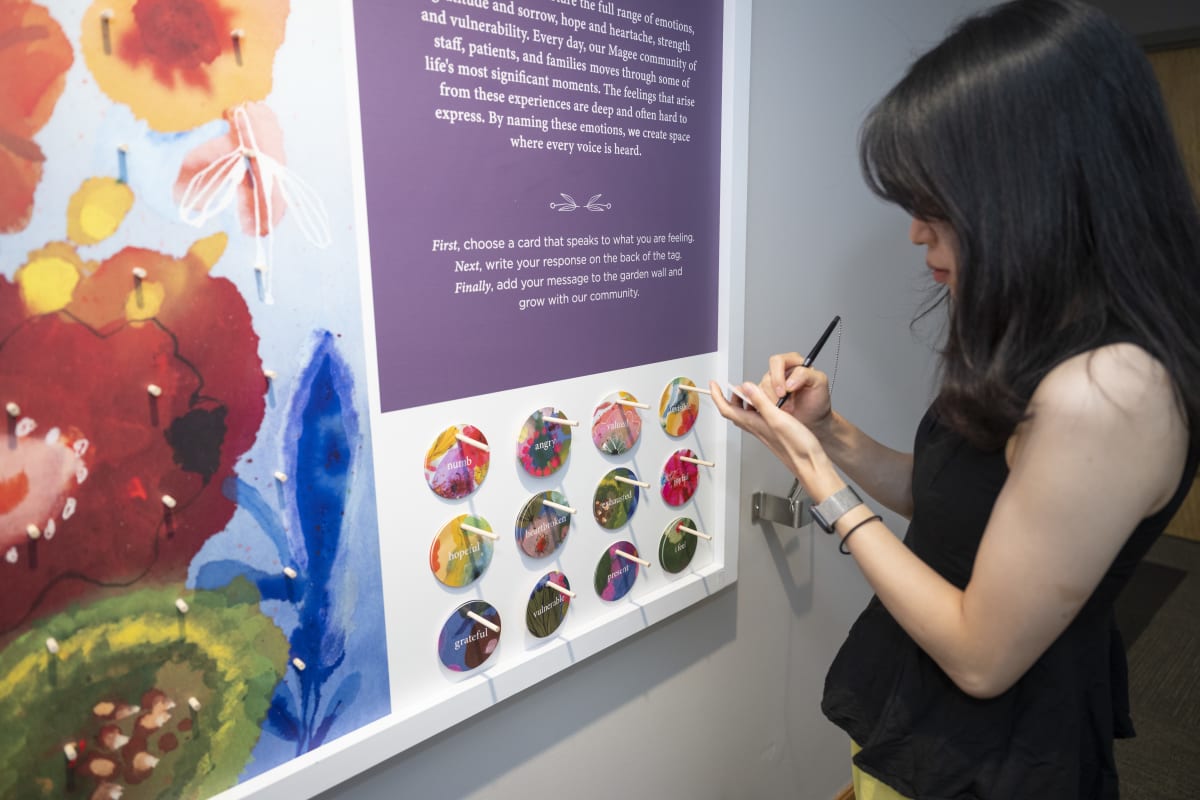
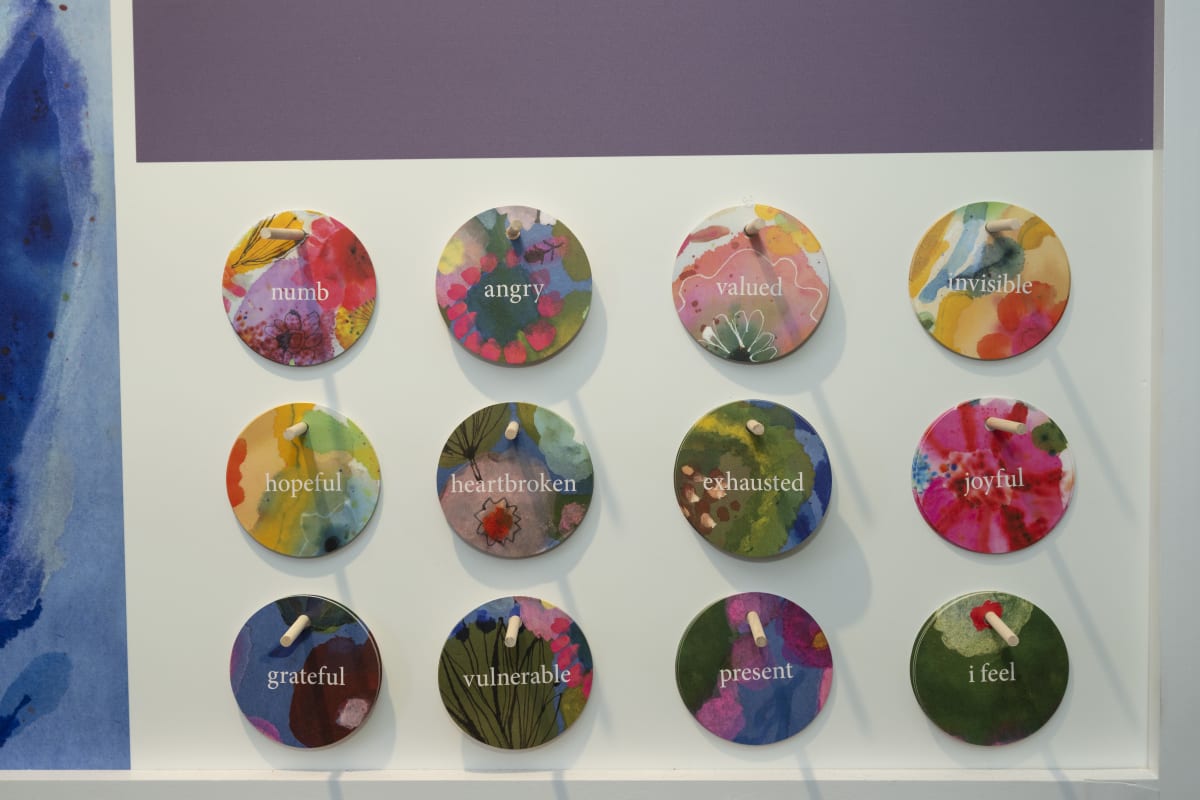
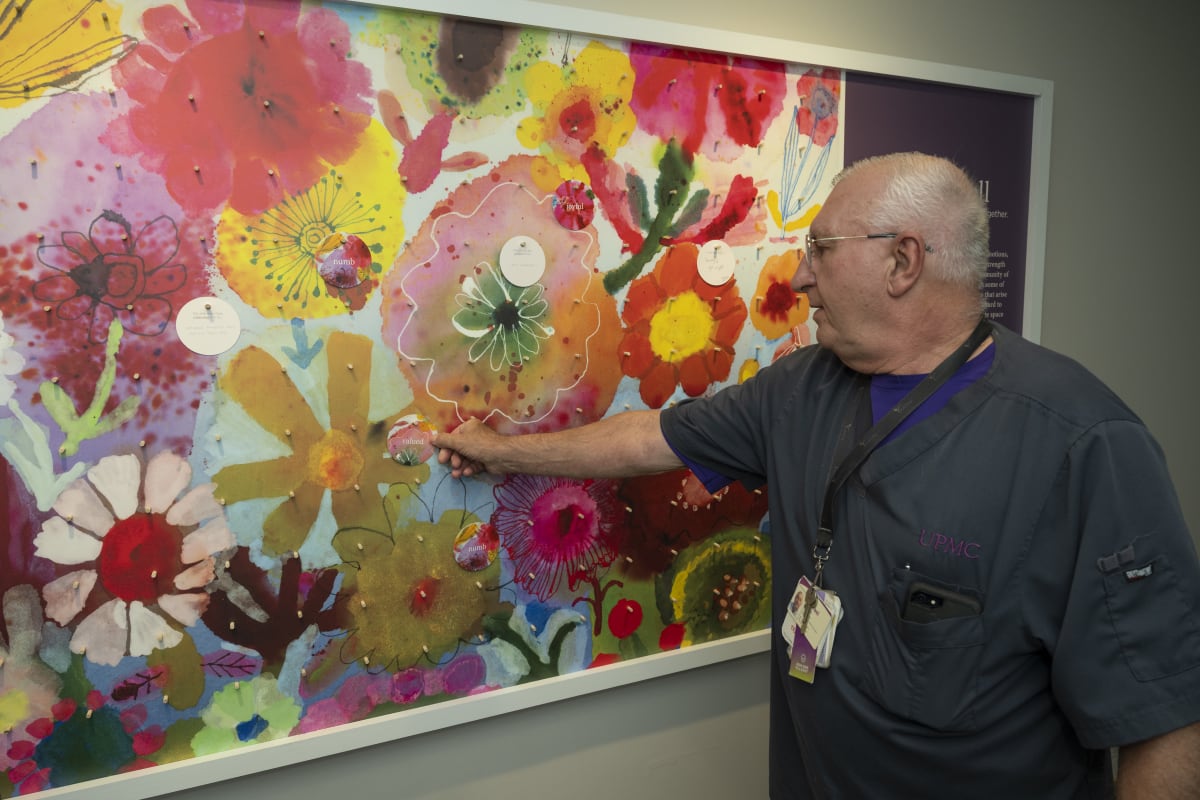
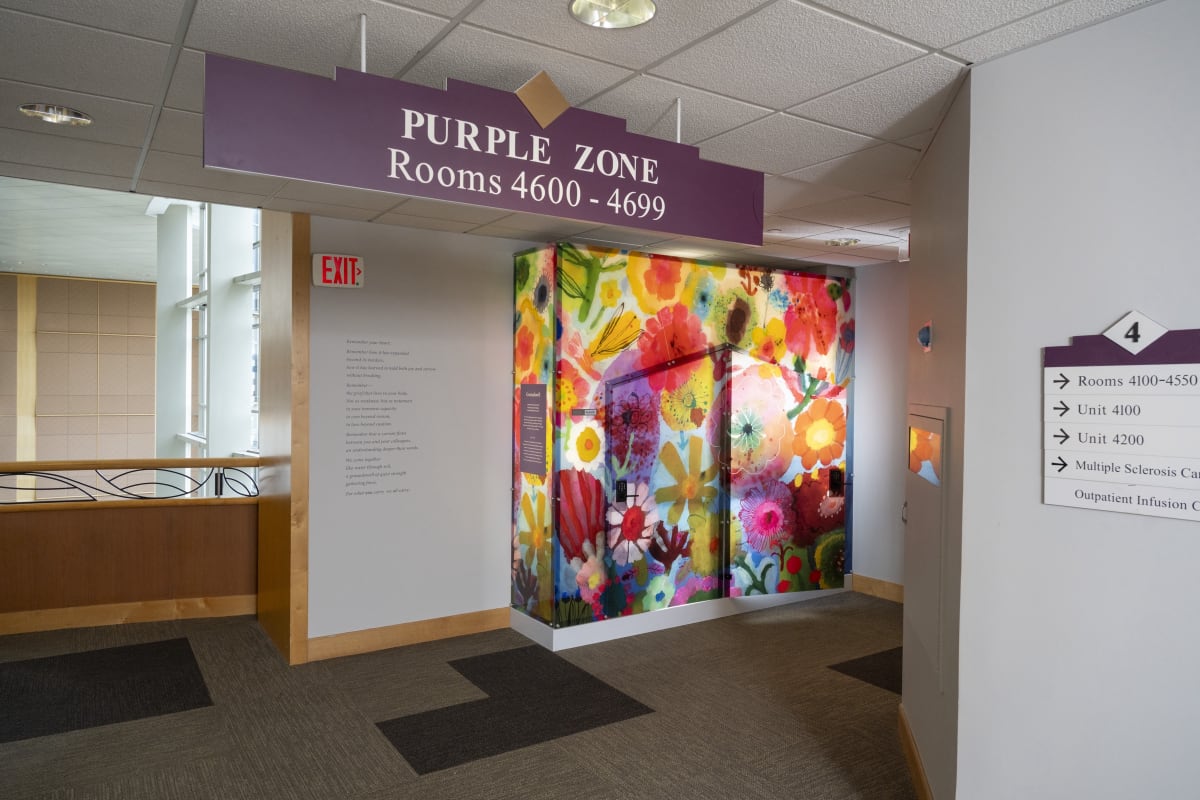
Community Art Wall
A community art wall that invites participation through anonymous shared emotional expression across the full spectrum of oncology experiences.
We intentionally included family caregivers and patients because we saw how important it was for staff to hear from them—especially gratitude, as almost every desk was decorated with cards from patients and families. Staff reported discomfort expressing feelings due to fear of retaliation. We built this as an anonymous place to safely share and understand what others are feeling—giving public, collective voice to the cancer care community.
“Groundswell is not just a campaign—it’s a commitment. By centering staff-identified well-being priorities, we’re ensuring that every voice is heard and concerns are addressed.”— Kendyl Grant, Director of Operations for the Gynecologic Oncology Division, UPMC
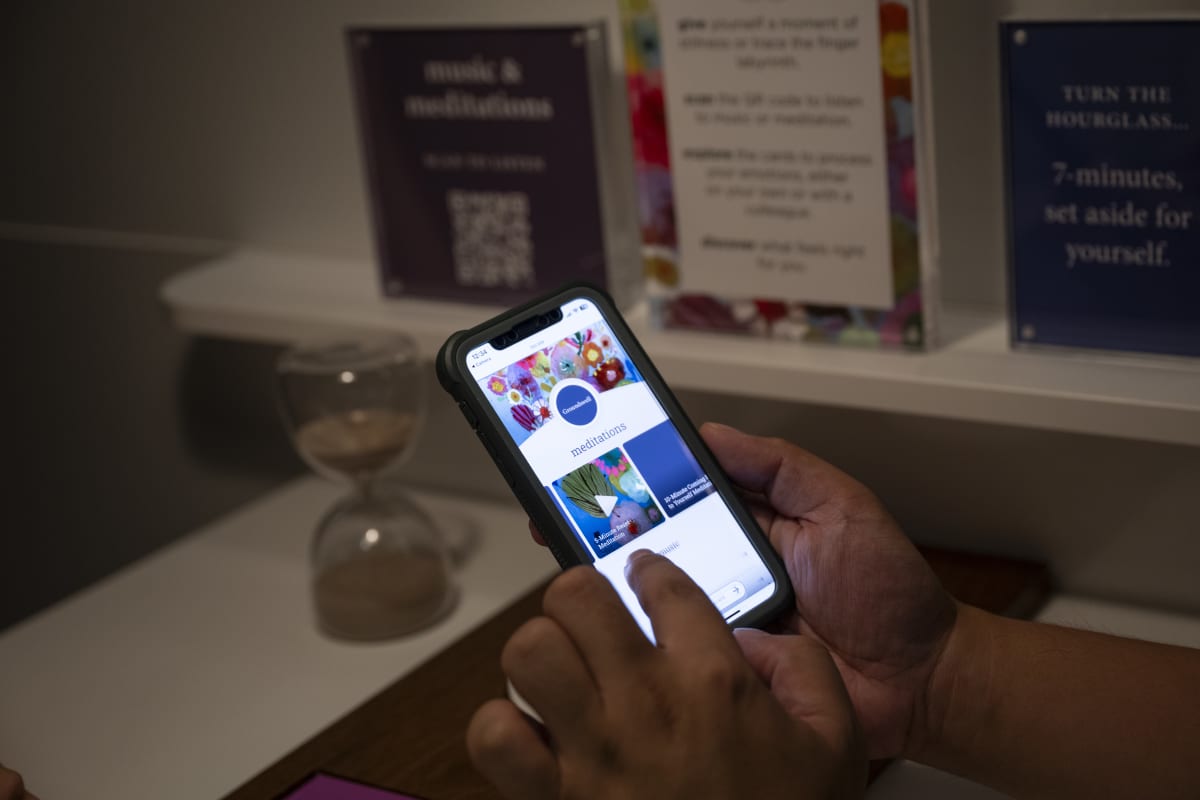
Staff access guided meditations and poetry on-demand
Component 02
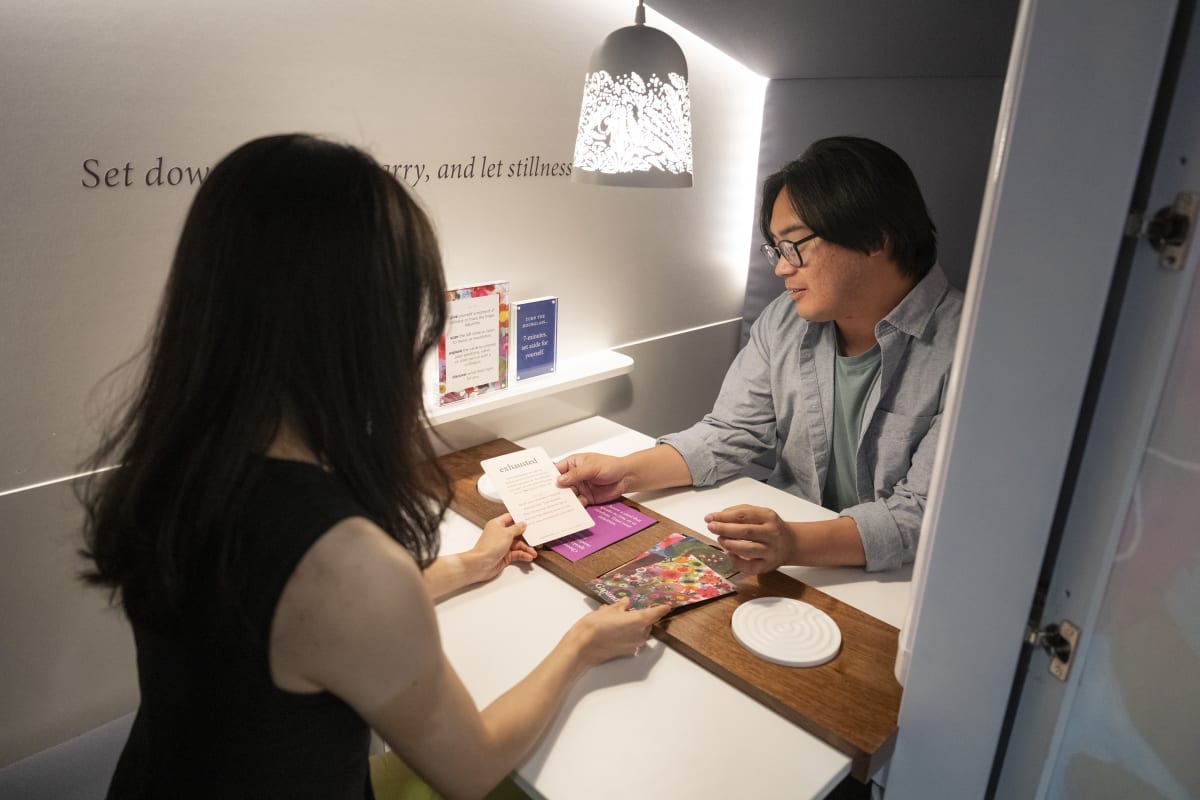
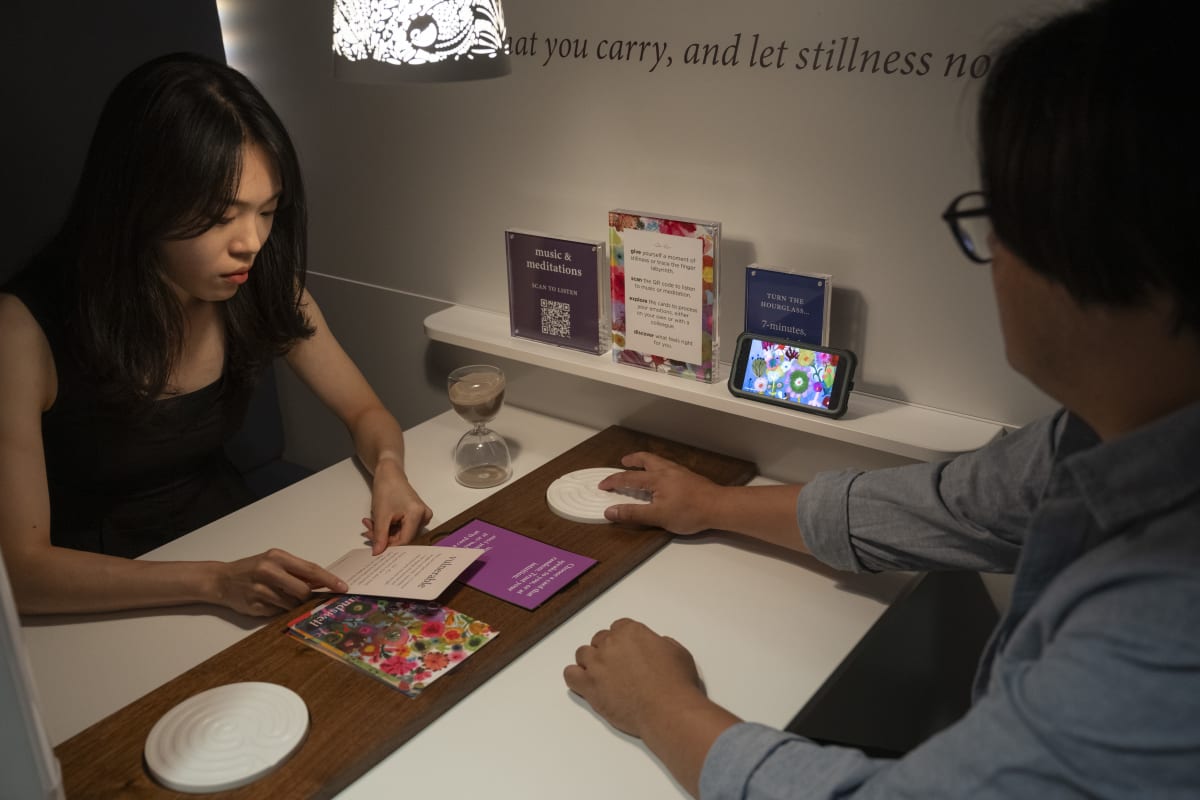
Restorative Pod
A dedicated space for emotional decompression through mindfulness activities like guided meditation.
We heard that staff save their tears for the car ride home or the bathroom stall—a process that takes away from their quality time with loved ones. Almost everyone we spoke to commented on the physical environment as an opportunity for improvement. Nestled in a space that once housed telephone booths, the pod invites staff to take a moment to restore, reinforcing the message that emotional labor is real work deserving of real space.
Pod Audio Resources
Component 03
Ceased to Breathe Email
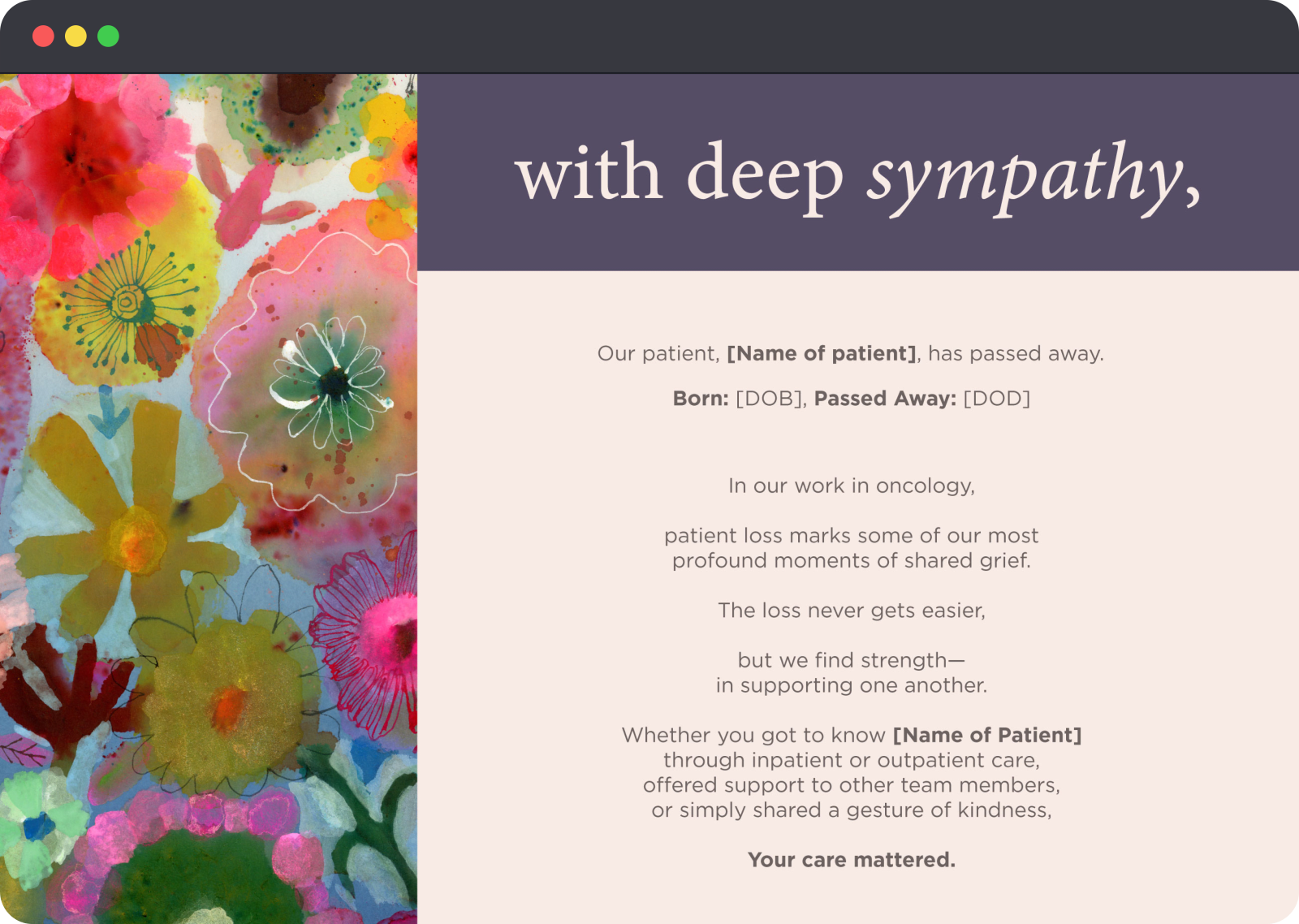
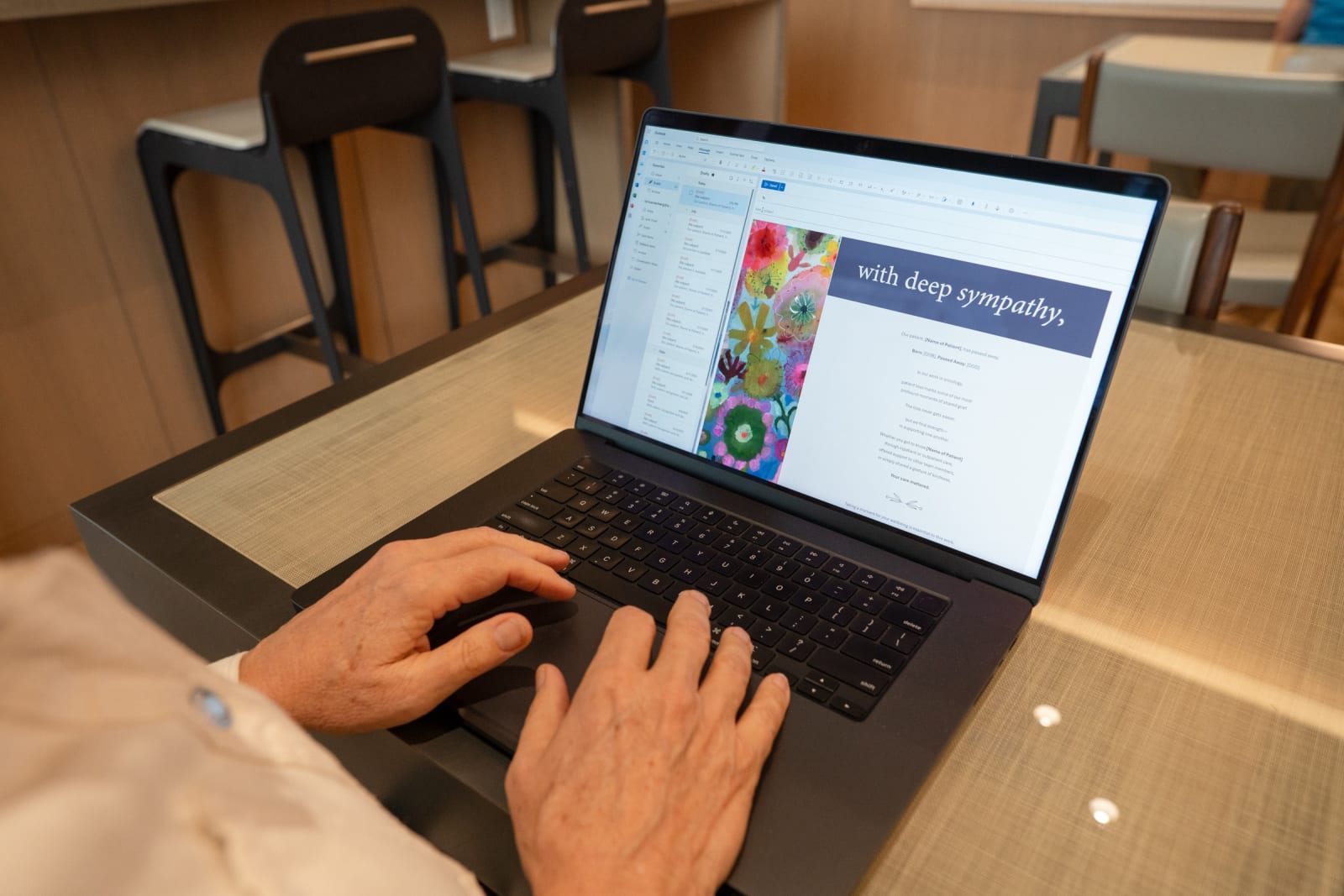
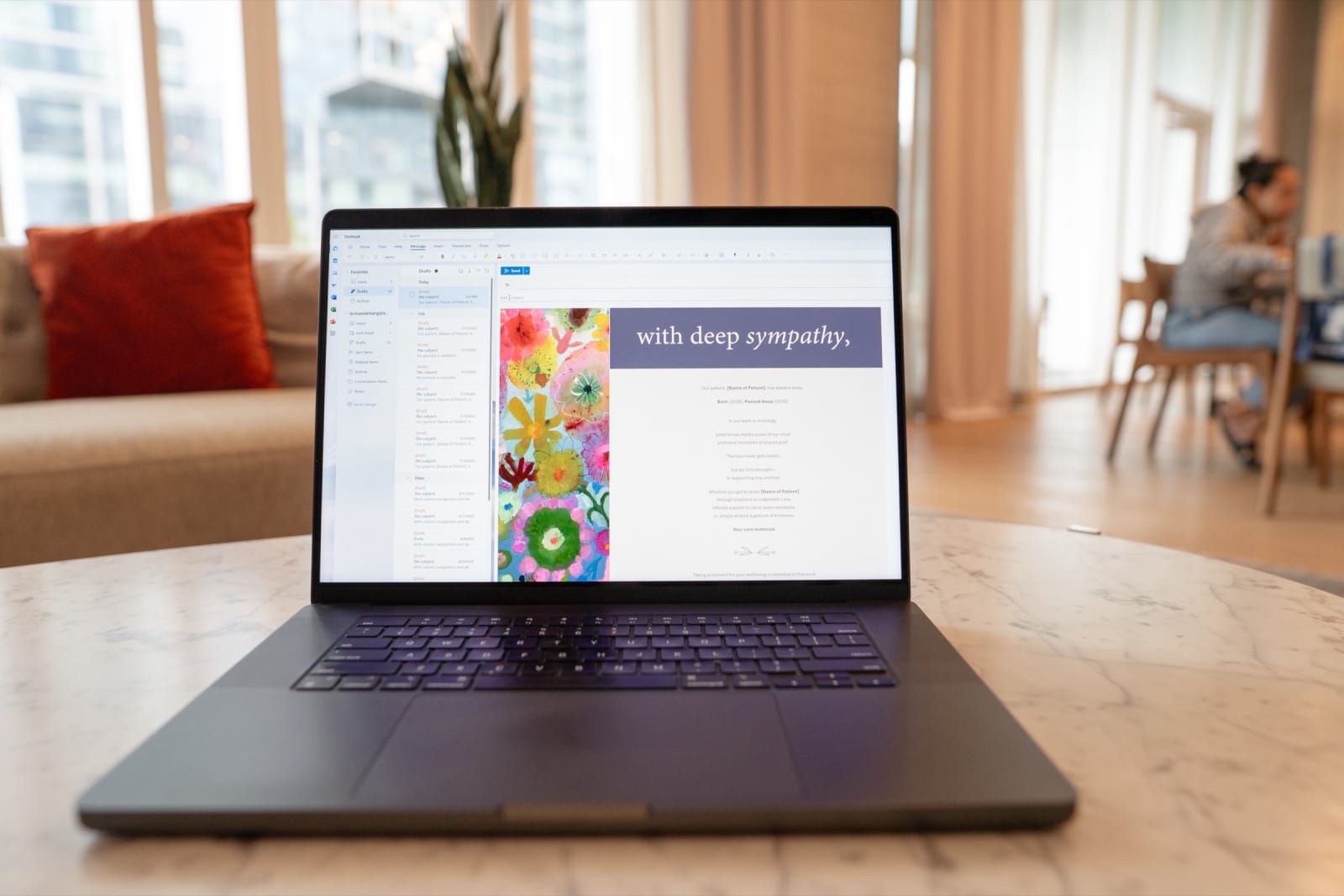
Updated patient death notification email template with compassionate visuals and language that acknowledges the impact of patient loss.
What we initially saw as a cold clinical protocol was actually a staff-created innovation—a radical act of compassion one nurse manager had built to ensure colleagues learned about patient deaths with dignity. This revelation shifted our entire approach: from “the system has let you down” to “you have already created a beautiful culture of care.” Groundswell honors and amplifies what was already there by integrating a low-effort change to an Outlook email template. This component infuses the language of care into the workflow without over-burdening staff with administrative overhead.
Component 04
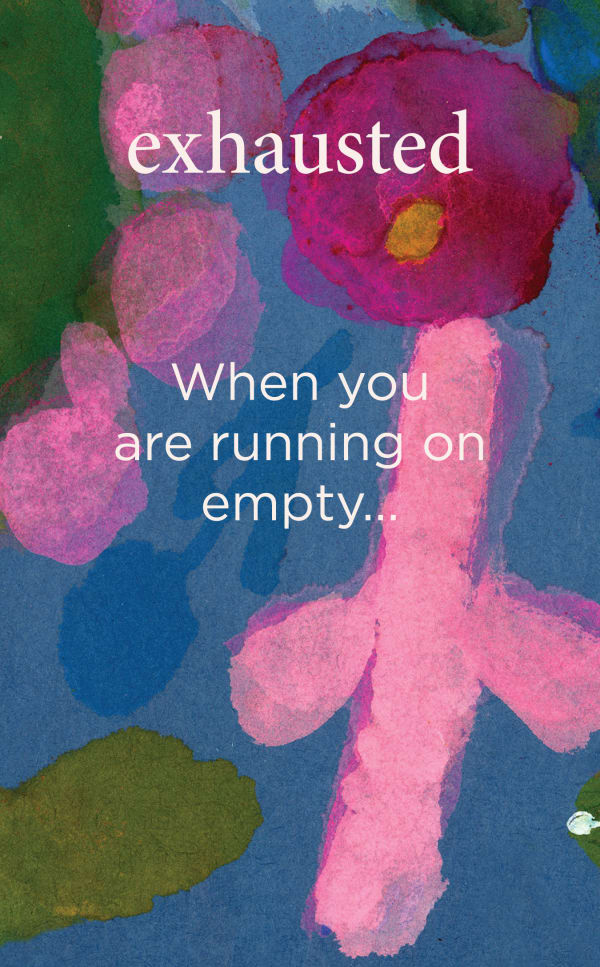
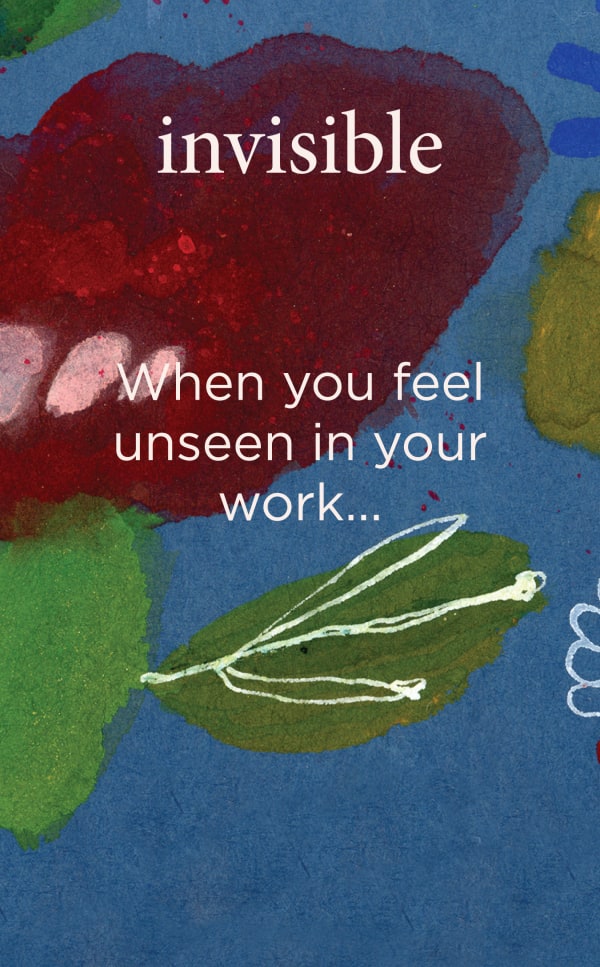
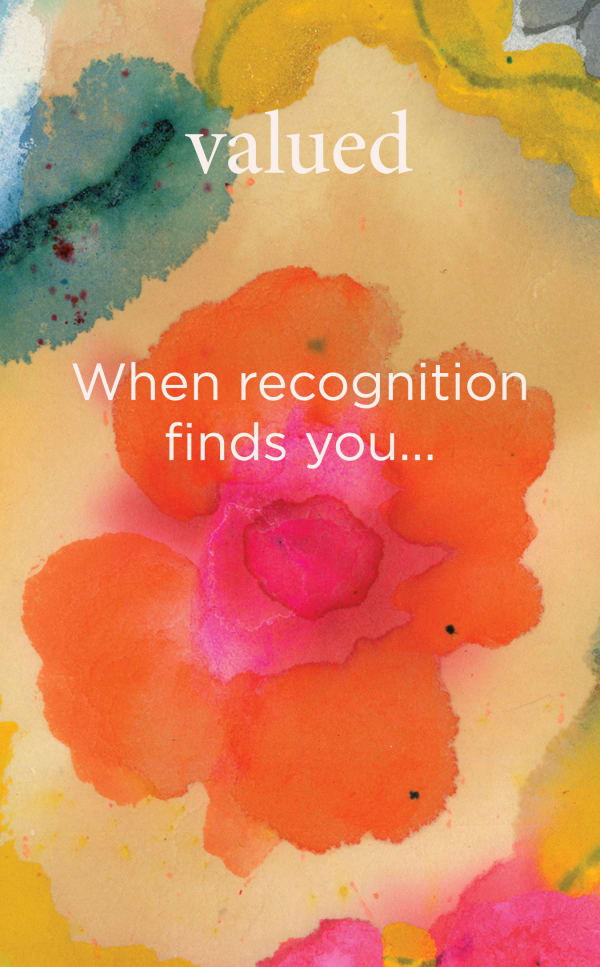
Reflection Cards
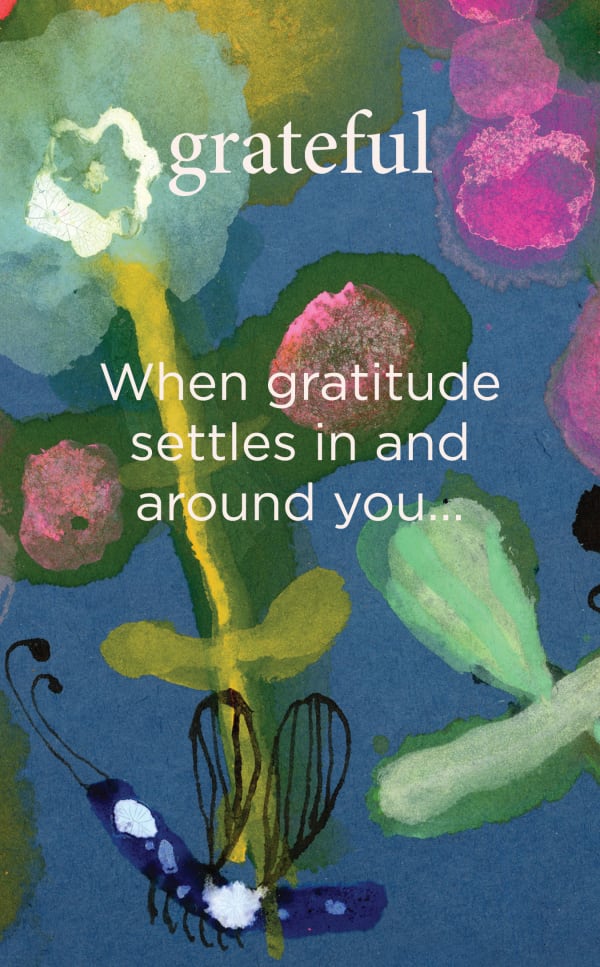
Guided reflection cards that help staff build a self-care practice through emotional validation and introductory exercises for emotional regulation.
By showing healthcare workers that the full spectrum of grief includes complex and contradictory emotions, the cards help create a more holistic culture of care. The combination of emotional identification, validation, and somatic exercises makes this a powerful tool for connection with self and others. Every staff member received their own deck; one set permanently lives in the pod.
Click any card to flip and explore the exercises on the back.
The Outcomes
Groundswell is now officially installed at UPMC Magee-Womens Hospital, launching a 12-month quality improvement study for Cancer Services staff.
The study combines quantitative data with qualitative interviews, measuring compassion fatigue, burnout, culture of employee well-being, and intent to leave—before, during, and after the installation. We built a data visualization website to track and communicate our findings, integrating survey data with video documentation. Data is blurred to protect unpublished study findings.
“Caring for people means seeing them as whole, complex, and beautiful human beings—not just as patients in need of medicine or surgery. Healing begins with caring for the caregivers.”— Dr. Sarah Taylor, Gynecologic Oncology, UPMC
Project arc
Timeline
- Jan–May 2025
Development & research
- Jun–Aug 2025
Build & installation
- Oct 2025–Jul 2026
Pilot study with pre/mid/post surveys
- Jul–Oct 2026
Analysis, publication & case study site
- 2027
A model for expansion & iteration
Improved pod design, stewardship training, and a mobile model for rural clinics and family caregivers.
The full story
Read the case study
The case study covers the co-design and research with oncology staff, the insights that shaped Groundswell, and the behind-the-scenes of building and installing it.
In gratitude
Acknowledgements
This project is a tribute to the quiet strength, deep compassion, and collective spirit of those who provide oncology care. It was shaped by the voices of staff who shared their experiences—those who live this work every day.
Groundswell is a collaboration between Carnegie Mellon University’s School of Design, the University of Pittsburgh Schools of Medicine and Nursing, and the Gynecologic Oncology staff at UPMC Magee-Womens Hospital. We are especially grateful to the Department of Obstetrics, Gynecology, and Reproductive Services and the incredible staff at Magee who made this project possible. Funding was provided by College of Fine Arts at CMU; the UPMC Magee-Womens Hospital Medical Staff Fund; and the Paul D. Schurgot Foundation.
Leadership
Kristin Hughes, MFA
Design · Production · Project Lead · Professor · Principal Investigator · CMU
Sarah E. Taylor, MD, PhD
Principal Investigator · UPMC Hillman Cancer Center
Grace Campbell, PhD, MSW, RN
Supervising Faculty · Duquesne University
Heidi Donovan, PhD, RN
Supervising Faculty · University of Pittsburgh School of Nursing
Design & Production
Lorin Anderberg, MA
Design · Development · Research · Production · Project Coordination · Donor Outreach
Elijah Benzon, MA
Design · Development · Research · Production
Greg Baltus
Fabrication · Hardware Assembly
Kelly McDowell
Design · Development · Research
Robertus Sucahyo, MBA
Development · Research
Su Hong & Mia Jeong
Research Assistants
Donors & Partners
NookPod donated the restorative pod structure ($13,000 value). Greg Baltus and Hardware Assembly provided remarkable design, engineering, and fabrication. Catherine Liggett and Mark Staley created custom guided meditations and poetry. Carolyn Gavin contributed artwork that became the visual thread unifying all program components. Ryan Thompson crafted the walnut tabletop from wood donated by Eleanor Mackie Pigma. Fox Woodworks provided wood elements.
Additional partners and donors: Schlage, Density, Dixie&Grace, Z9 Machinings, EHC Industries, Deborah Linhart, Pamela Meadowcroft, Marge Petruska, Kevin Lorenzi (photography), and Mark Baskinger (creative support and encouragement).
We acknowledge that Groundswell could not have emerged without the deep trust-building between previous cohorts, Professor Kristin Hughes, and the UPMC staff. This version is intended as a first iteration. We hope to have the privilege to continue, improve, and expand based on the study’s findings.
Our poem was inspired by Joy Harjo’s work “Remember.”
To everyone who played a role in bringing this project to life—thank you.

Get in touch
Want to learn more or support the work?
We’d love to hear from you.